How to maintain stable blood sugar after a meal?
 LIFESTYLE
  10 MIN
  ALMAGEA
  17.07.2025
LIFESTYLE 10 MIN ALMAGEA 17.07.2025
The study of the secrets of metabolism has been going on for decades, but the concept of metabolic health has recently become increasingly important for understanding and controlling numerous chronic diseases and life expectancy. Metabolic health refers to how the body uses energy, processes nutrients and maintains balance, particularly the stability of blood sugar levels after meals. This aspect of health has a great impact on our body and mind. Due to the rise of chronic diseases such as obesity, type 2 diabetes, heart disease and cancer, researchers are increasingly studying how our metabolism affects health.
Obesity is one of the biggest health challenges today. Although it was once considered a consequence of excessive food intake, today we know that its causes are complex - they include hormones, genetics, inflammation and the composition of microorganisms in the intestines. Obesity is a significant risk factor for the development of type 2 diabetes, which is considered a growing global epidemic. The main causes of diabetes are insulin resistance and elevated insulin levels, and a diet with reduced carbohydrate intake is effective in treatment. Although two million people worldwide die from diabetes annually, with treatment and lifestyle changes, it is possible to bring the disease under control and achieve its "remission".
One of the most important measures for health in insulin resistance, that is, the condition that precedes type 2 diabetes, is the control of sugar spikes after meals. Such jumps can damage blood vessels and increase the risk of heart disease – even in people without diabetes. The type of food we eat strongly affects these jumps. Foods with a high glycemic index raise blood sugar faster and higher compared to foods with a low glycemic index, which helps stabilize sugar, improve heart health, and reduce the risk of diabetes.
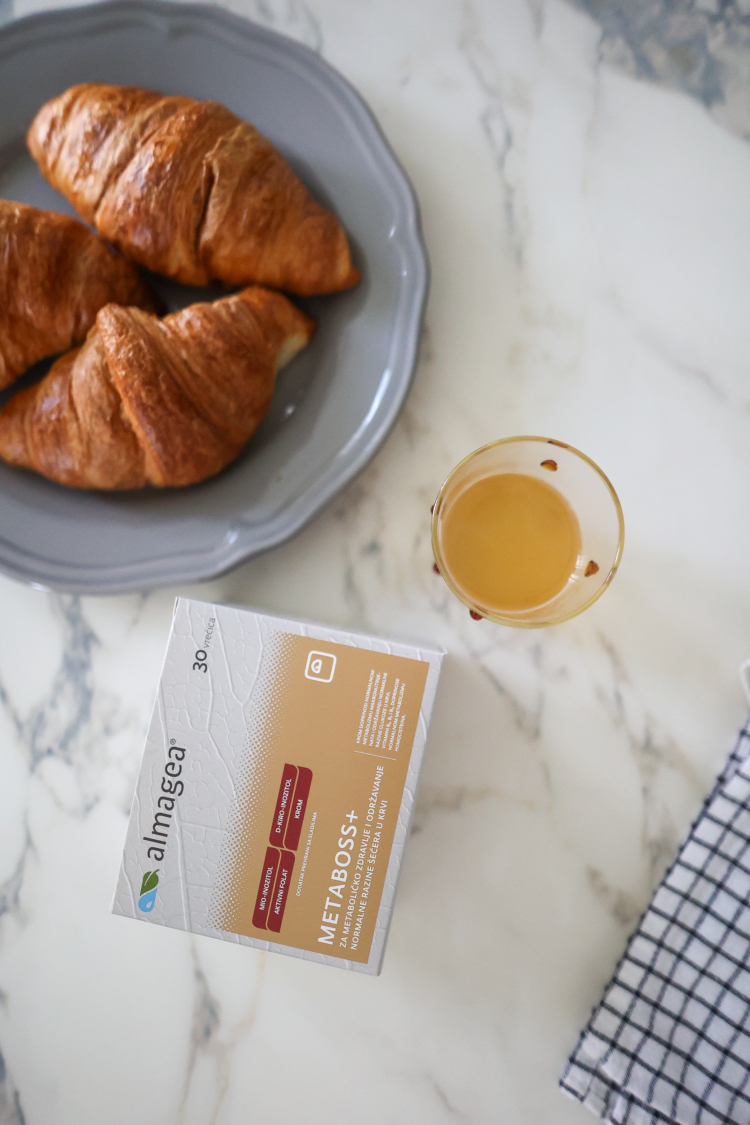
The glycemic response is influenced by the cooking method, the level of food processing and the presence of fat, protein and fiber. Food components, such as fat, protein and fiber, slow down the absorption of sugar and help balance blood glucose. A varied, balanced diet based on unprocessed foods, with plenty of fiber and protein, can reduce the risk of hyperglycemia, improve cholesterol levels and insulin sensitivity. A strategy to reduce post-meal blood sugar spikes involves replacing refined grain products, such as white bread, with whole grain bread or cooked whole grains (buckwheat, barley, quinoa), legumes (beans, peas, lentils, chickpeas) and vegetables. Fiber slows down digestion and thus blood sugar levels, as well as combining foods rich in carbohydrates with foods rich in protein and healthy fats.Movement or a walk after a meal, as well as dietary supplements to maintain normal blood sugar levels, can help control spikes in blood.
Several types of bioactive compounds are used to reduce the rise in blood sugar after a meal, and they achieve their effects by improving insulin sensitivity, slowing down the absorption of carbohydrates or increasing the secretion of insulin. A particularly interesting ingredient used for these purposes is white mulberry leaf extract (Morus alba), has long been known in traditional medicine, and in recent years has been increasingly investigated in clinical studies. The patented extract of white mulberry contains special natural biologically active alkaloid compounds, the most important of which is 1-deoxynojirimycin (DNJ). The specificity of food supplements containing this active component is that they must be taken with the meal that is the richest in carbohydrates.
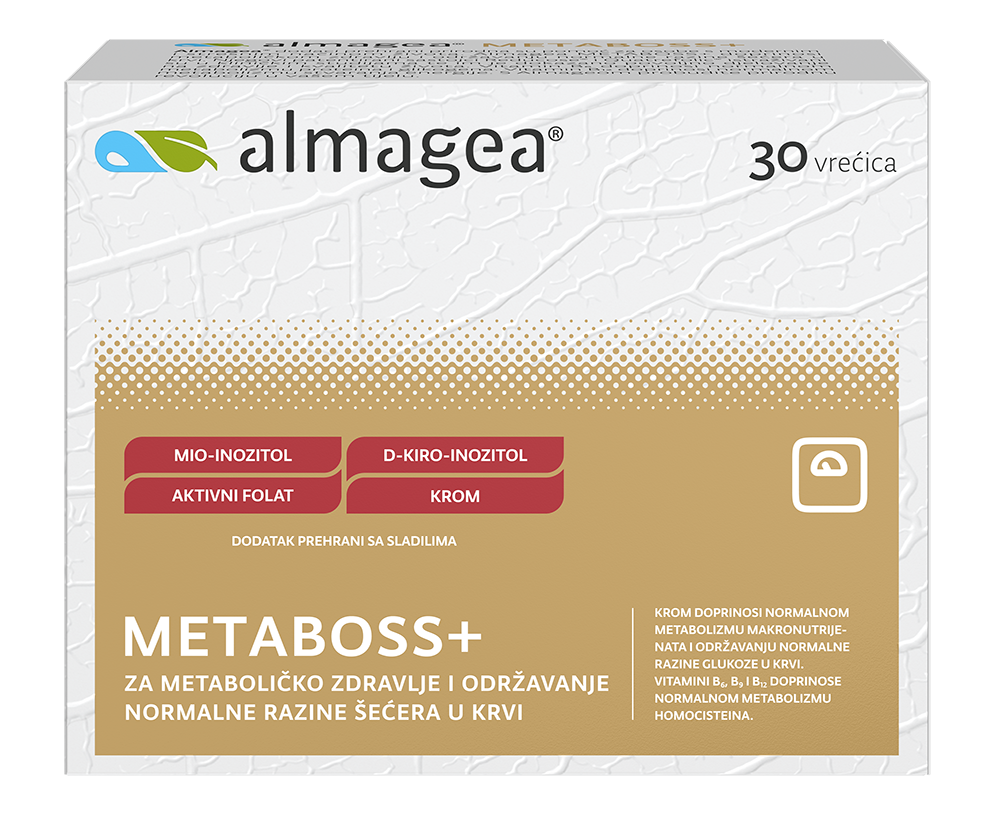
Vitamins of the B group (active folate Quatrefolic®, B6 and B12) are a natural synergistic supplement because they contribute to the normal metabolism of proteins and glycogen, as well as the generation of energy and the normal metabolism of homocysteine. Elevated homocysteine values are a risk factor for the development of cardiovascular diseases, and folate, B6 and B12 pomažu u održavanju normalne vrijednosti homocisteina u krvi. Dugi niz godina prepoznato je i djelovanje kroma na metabolizam ugljikohidrata, stoga formulacije namijenjene regulaciji sadrže i krom u obliku pikolinata koji doprinosi normalnom metabolizmu makronutrijenata i održavanju normalne razine glukoze u krvi. Inozitol je tvar slična vitaminima B skupine koja se prirodno nalazi u tijelu i sudjeluje u brojnim metaboličkim procesima. Novije generacije dodataka prehrani sadrže mio i kiro-inozitol koji igraju važnu ulogu u staničnoj signalizaciji, posebno u metabolizmu glukoze i inzulinskoj osjetljivosti. Istraživanja su pokazala da mogu imati povoljan učinak na kontrolu glikemije i smanjenje inzulinske rezistencije, osobito kod osoba sa predijabetesom i šećernom bolesti tip 2 te u žena sa sindromom policističnih jajnika (PCOS).
1-deoxynojirimycin (DNJ) from white mulberry is structurally similar to the sugar glucose, but has a special chemical structure that allows it to block enzymes that break down carbohydrates - such as amylase and α-glucosidase. Because of this effect, its effect on slowing down the breakdown and absorption of sugar from food is being intensively researched.
The patented substance that contains this substance in its composition is Reducose™, a specially processed extract of white mulberry leaves. Clinical studies are investigating the effect of Reducose™ on reducing postprandial sugar and insulin spikes compared to placebo, particularly after consumption of starches and sugars. Scientists have reason to believe that after taking Reducose™, the eaten meal has an effect on the body as a food with a low glycemic index.
Istraživanje objavljeno 2024. godine u znanstvenom časopisu Nutrients pokazalo je kako Reducose® značajno smanjuje porast glukoze i inzulina u krvi nakon cjelovitog obroka kod osoba s normalnom razinom šećera u krvi. Naime, u istraživanju je sudjelovalo 37 ispitanika koji su unosili kapsule koje su sadržavale 200 mg, 225 mg ili 250 mg Reducose®, ili placebo, prije testnog obroka koji se sastojao od 150 g bijelog kruha i nadjeva od jaja s majonezom. Sve tri doze dodatka prehrani s Reducose® značajno su smanjile porast šećera u krvi nakon jela – u by an average of about 30% compared to placebo. Osim toga, sve doze su također smanjile količinu inzulina koju tijelo izlučuje nakon obroka i to za oko 31 do 38 %. Pritom je doza od 250 mg Reducose® imaja najsnažniji učinak. To znači da je standardized patented ingredient Reducose® in a dose of 250 mg effective in controlling blood sugar and insulin after a meal.


Get to know us
Dietary supplements
Information
Let's connect
© 2024. Almagea d.o.o., Ulica Julija Knifera 4, 10 020 Zagreb
Fixed conversion rate: €1 = HRK 7.5345
kupuj brzo i sigurno