

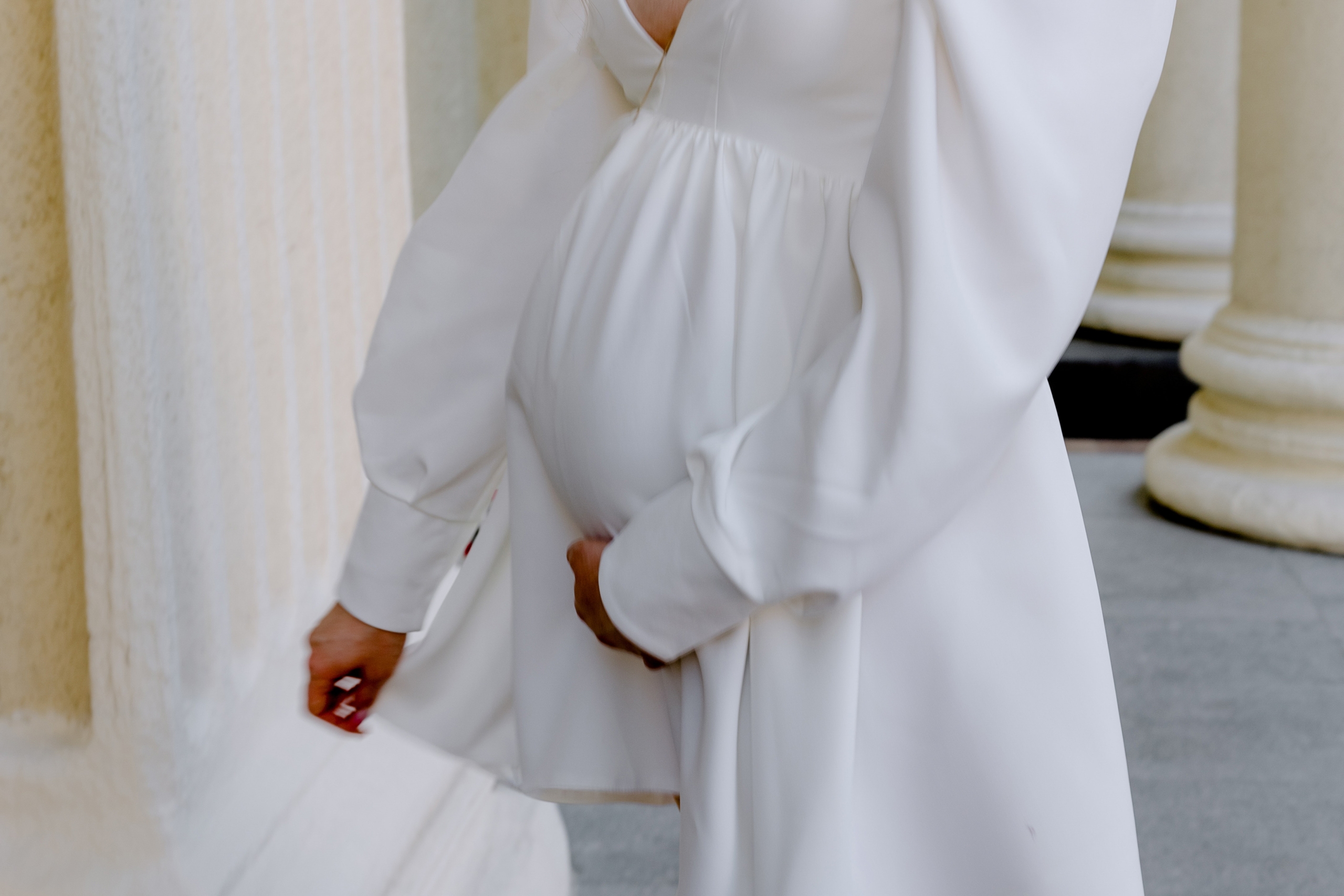
The most common mistakes of active pregnant women - and how to prevent them with proper support from the inside
 LIFESTYLE
  10 MIN
  ALMAGEA
  23.09.2025
LIFESTYLE 10 MIN ALMAGEA 23.09.2025
Ph.D.Sc. Slavica Žeger, M.Sc.
Trudnoća je razdoblje koje mijenja tijelo i psihu žene više nego bilo koja druga životna faza. Posebno danas, sve više budućih mama bira aktivan pristup tom razdoblju koji uključuje ciljanu tjelovježbu, vježbe za zdjelično dno, šetnje i slično. Pokret u trudnoći ima niz dokazanih prednosti: čuva cirkulaciju, smanjuje rizik od gestacijskog dijabetesa, olakšava porod i doprinosi mentalnom zdravlju. No, ono što often overlooked, even by the most informed pregnant women, is the importance of proper supplementation.
This is exactly where typical mistakes occur, which, fortunately, can be easily prevented.
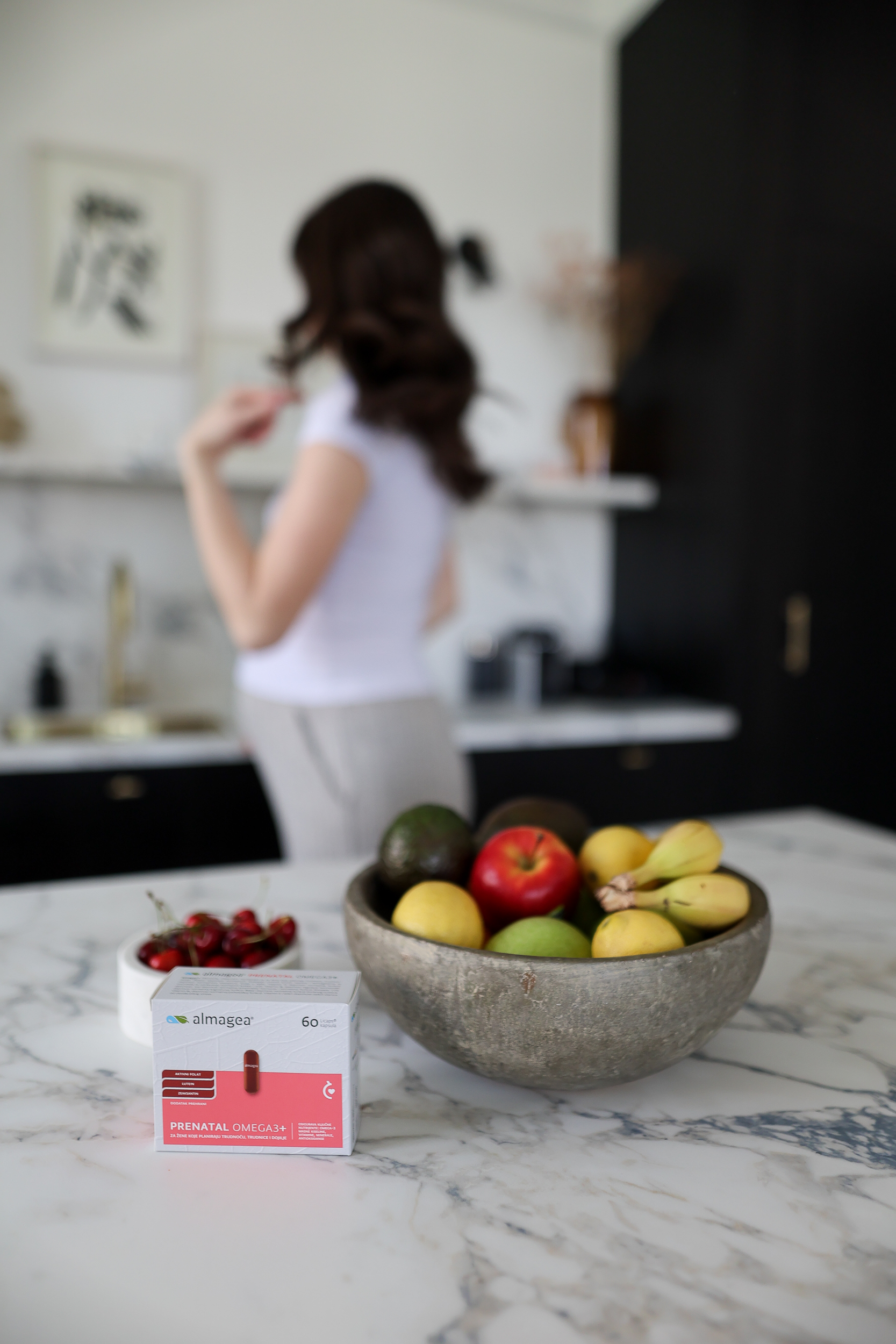
One of the most common sentences I hear from active pregnant women is: "I often don't eat anything after exercise." Do you know what happens then - the pregnant woman's body is left without the necessary building materials at the moment when they are most needed. A frequent practice of pregnant women is also skipping breakfast and coming to exercises hungry, which is a great stress for the pregnant body and leads to hypoglycemia already during the activity itself. Energy needs during pregnancy increase by an average of 340-450 kcal per day in the second and third trimesters, which means that a meal after training is not a luxury, but a basic condition for muscles to regenerate, the baby to get enough nutrients, and the mother to conserve energy. If a meal is missed, the body will look for energy in its own reserves, which over time can damage muscle mass and increase the feeling of exhaustion in a pregnant woman.
Osim toga, neadekvatna prehrana može dovesti do pretjeranog gubitka težine ili, s druge strane, do pretjeranog nadoknađivanja kasnije u danu, što remeti stabilnost šećera u krvi. Prema smjernicama, idealan obrok nakon vježbi trebao bi sadržavati kombinaciju kvalitetnih ugljikohidrata i proteina: primjerice jogurt s voćem i orašastim plodovima ili integralni sendvič s piletinom. Dodaci prehrani poput proteina, vitamina B skupine i željeza mogu pomoći održati stabilnu krvnu sliku i spriječiti umor, no oni ne mogu u potpunosti zamijeniti zdrav i dobro balansiran obrok. Kombinacija oba pristupa: kvalitetne prehrane i ciljano odabranih suplemenata uz aktivan pristup trudnoći, ensure the best results.

U praksi, aktivne trudnice dobro reagiraju na planiranje obroka. To znači da na vježbe možete ponijeti sa sobom orašaste plodove, proteinski shake ili unaprijed pripremljeni smoothies kako bi brzo nakon vježbi uvijek imale spreman nutritivni izvor energije. Tako se smanjuje rizik od „praznog hoda“ u prehrani i omogućuje tijelu da dobije ono što mu je potrebno u pravom trenutku, nakon čega imate prostora za obavljanje svakodnevnih zadaća, bilo da poslije vježbi idete na posao ili da pješačite kući.
Grčevi u nogama, osobito noću, spadaju među najčešće tegobe trudnica. Mnoge ih prihvaćaju kao nešto što se mora izdržati, but science says otherwise. During pregnancy, the need for magnesium, calcium and vitamin D increases because these nutrients participate in the contraction and relaxation of muscles, the transmission of nerve impulses and the development of the baby's skeletal system. When there are not enough of them, the body sends clear signals. The use of magnesium relaxes the muscles and reduces the occurrence of spasms. Calcium ensures proper contractility, and vitamin D helps to incorporate calcium into bones and muscles. This combination works like a team: magnesium prevents muscle spasm, calcium activates them, and vitamin D directs the building. Pregnant women are recommended to consume 1,000–1,200 mg of calcium per day, while the recommendation for magnesium is around 350 mg. When we cannot cover these needs with food alone, supplements become a necessary support.Active pregnant women who exercise regularly should especially pay attention to this trio because it enables the body to withstand the load of activities and everyday life and to function optimally. Cramps can also be a reminder that you're not paying enough attention to hydration. A sufficient amount of fluid during the day reduces the risk of electrolyte imbalance, so it is recommended to drink water regularly, and after training, consider the consumption of isotonic drinks suitable for pregnant women. Magnesium also prevents premature uterine contractions and reduces the frequency, pain and discomfort of Braxton Hicks contractions.
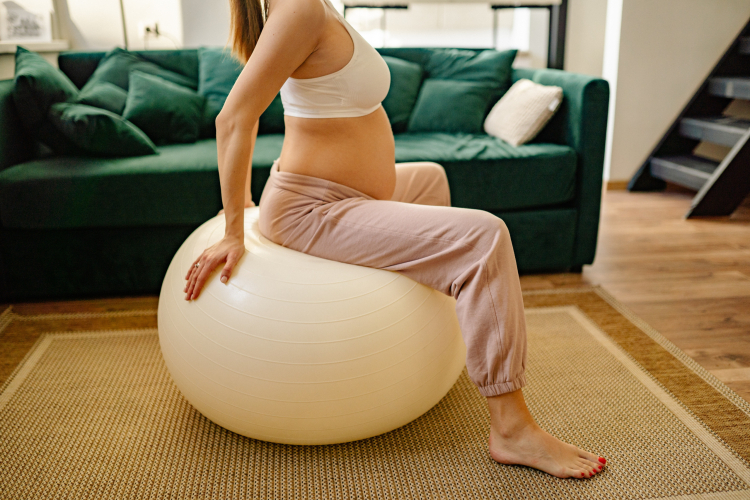
A common mistake of active pregnant women is the belief that only those with problems need supplements. However, healthy and active women, especially pregnant women, have an increased need for certain nutrients, such as iron. According to expert guidelines, a pregnant woman's need for iron increases from 18 mg to 27 mg per day. Although iron is found in meat, legumes and green vegetables, it is difficult to get enough of it through food alone. Lack of iron leads to anemia, frequent dizziness and weakness, which directly reduces endurance during exercise, and in some cases leads to the inability to exercise at all during pregnancy.
The same applies to folate (vitamin B9) and vitamin B12. They are crucial for the formation of blood and the development of the baby's nervous system. The profession recommends that all women of reproductive age take a folic acid supplement even before pregnancy, because the risk of neural tube damage is reduced precisely by this small but crucial step. Vitamin B12 osigurava pravilnu funkciju živčanog sustava i energiju, a njegovo pomanjkanje često kod trudnica izazva umor i pad koncentracije. Dakle, subjektivni osjećaj zdravlja ne znači automatski da su zalihe svih vitamina i minerala optimalne. Jednostavno, trudnica koja se bavi tjelesnom aktivnošću troši više nutrijenata što ne znači da je nezdrava, već da su njene potrebe jednostavno veće i trebaju biti pažljivo nadoknađene. Kao što sportaši trebaju dodatke kako bi postigli optimalne rezultate, tako i aktivne trudnice trebaju podršku u obliku vitamina i minerala.
Pregnant women who exercise regularly invest in better body adaptation to the hormonal and postural changes that pregnancy brings with it. But every little movement, exercise, walk or swimming, is actually based on neuromuscular communication, i.e. the ability for nerves to send clear signals, and for muscles to execute them correctly. Nutrients take the main role here. Magnesium and calcium enable contractions without spasms, vitamin D ensures bone resistance, while omega-3 fatty acids support the flexibility of blood vessels and reduce inflammatory processes.
Zgodno je spomenuti i da prehrana majke u trudnoći oblikuje i preferencije okusa kod djeteta kasnije u životu. Dakle, unos kvalitetnih namirnica ne utječe samo na fizičko stanje majke, nego i na dugoročne prehrambene navike djeteta. To je a powerful reminder that what we choose today builds the foundation of health for generations.
Another important link is the relationship between physical activity in pregnancy and insulin sensitivity. Active pregnant women, who also eat properly and take supplements, have better blood sugar regulation, which reduces the risk of gestational diabetes. This shows how movement and nutrition are intertwined. Think of it this way: movement is the musician and nutrients are the instrument. Only when both are harmonized, the melody of health and vitality emerges.
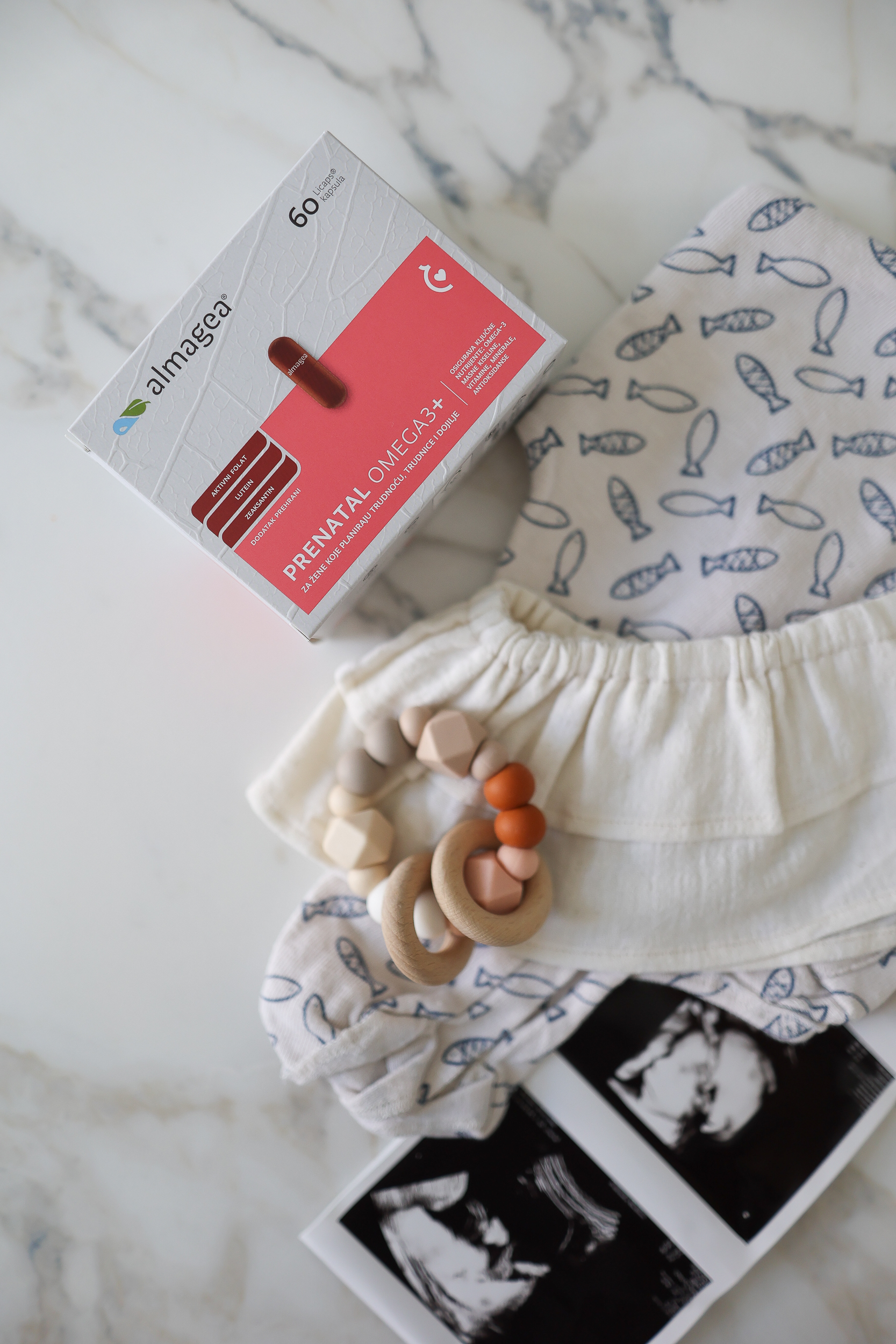
Omega-3 fatty acids deserve special emphasis. They not only improve circulation and reduce inflammation, but also have a direct impact on the development of the baby's brain and eyes. In addition, studies show that pregnant women who exercise regularly and take omega-3s have better metabolic function, a lower risk of preeclampsia, and a more stable mood. For active pregnant women, who already invest in their health through movement, omega-3 represents an additional layer of protection and energy. For the expectant mother, this means more energy, less swollen joints and better concentration. For the baby - a healthier start to life. This is precisely why omega-3 should be an integral part of the daily routine of every active pregnant woman. An additional benefit of omega-3 is their connection with the mother's mental health. Supplementation can reduce the risk of postpartum depression, which shows how valuable these fatty acids are in many ways.
Najbolji rezultati dolaze onda kada suplementacija postane prirodan dio dana. Na primjer, Almagea® Prenatal Omega3+, posebno razvijen za žene u reproduktivnoj dobi, može se jednostavno uklopiti u jutarnju rutinu uz doručak i čašu vode. Na taj način, dodatak ne postaje „još jedna obaveza“, nego an ally in the everyday feeling of strength and calmness.
In practice, it is useful to connect taking supplements with rituals that pregnant women have anyway: with breakfast, lunch or with a snack after exercise. Thus, supplementation becomes a natural continuation of self-care, and not a burden. It is important to emphasize that supplementation should be adapted to the individual needs of each pregnant woman. Every pregnancy is special, so it is always recommended that for complete support regarding nutritional supplements during pregnancy (and ideally already when planning the pregnancy itself!), you should definitely consult a nutritionist who will know how to prescribe the exact amount, form of the supplement for better absorption, explain how to combine them with food and advise you on the diet plan to avoid pitfalls such as hypoglycemia.
Aktivna trudnoća donosi osjećaj kontrole, lakoće i povezanosti s vlastitim tijelom. No, da bi trudnica mogla uživati u svim prednostima pokreta, potrebno je tijelu osigurati nutrijente bez kojih nema ni energije ni zdravlja. Suplementacija nije znak slabosti, nego mudro ulaganje u snagu, regeneraciju i vitalnost. A diet rich in nutrients, proper supplementation and professionally prescribed and guided exercise together form a triangle of health that leads to a safer pregnancy, easier childbirth and healthier offspring. Kada se spoje pokret, pravilna prehrana i suplementacija trudnoća postaje manje teret, a više putovanje s lakoćom, svjesnošću i radošću. Upravo to je dar koji svaka buduća mama može dati sebi i svom djetetu.

Get to know us
Dietary supplements
Information
Let's connect
© 2024. Almagea d.o.o., Ulica Julija Knifera 4, 10 020 Zagreb
Fixed conversion rate: €1 = HRK 7.5345
kupuj brzo i sigurno 
