

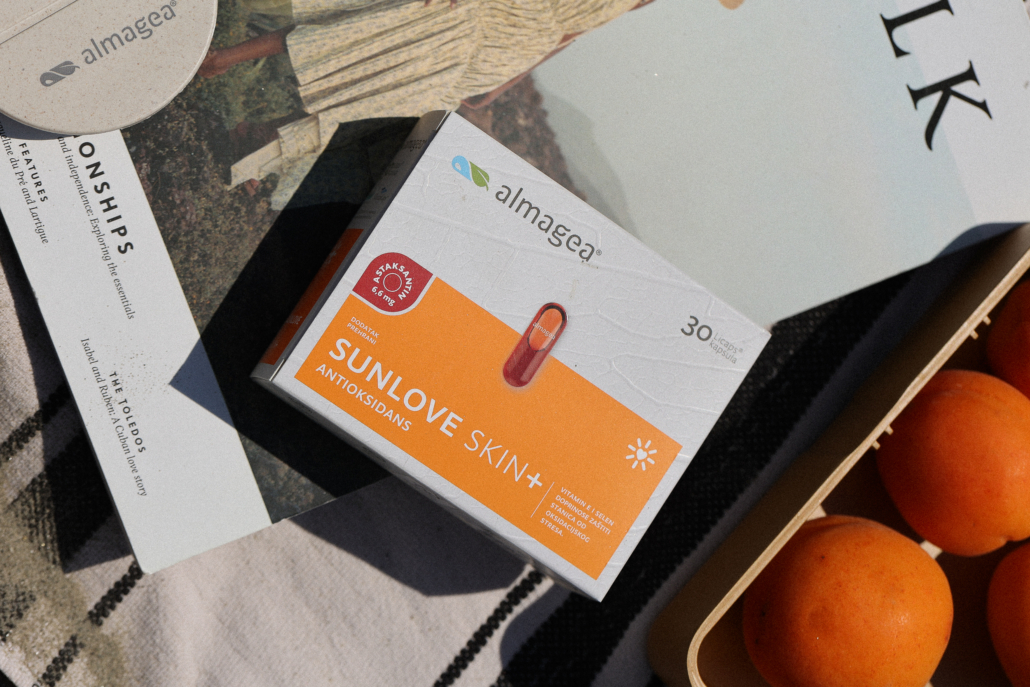
The secret of healthy and shiny skin lies in smart preparation of the skin for the sun
 LIFESTYLE
  10 MIN
  ALMAGEA
  03.03.2025
LIFESTYLE 10 MIN ALMAGEA 03.03.2025
Exposure to UV radiation strongly attacks the skin, causing damage that can range from premature wrinkles to dangerous skin cancer. Damage caused by UV radiation is cumulative, and although the body can repair some of the DNA damage in skin cells, it cannot repair all of it.
It's no secret that a balanced diet significantly affects the health of the skin and its aging process. Functional anti-aging ingredients in food include substances that participate in the production of skin components (e.g. essential fatty acids) and those that prevent their degradation and maintain the structural integrity of the skin (e.g. enzymes whose work depends on zinc).
Zahvaljujući svojoj sposobnosti zaštite kože od štetnih učinaka UV zračenja kroz antioksidativna svojstva i sposobnosti uklanjanja slobodnih radikala, određeni biljni sastojci u prehrani mogu biti korisni dodaci za zdravlje i ljepotu kože. Dok zimi manje razmišljamo o zaštiti kože, ona i dalje trpi posljedice vanjskih utjecaja – hladnoće, suhog zraka i smanjene izloženosti sunčevoj svjetlosti. Stoga njega kože ne prestaje s proljećem i ljetom, već korištenje adekvatnih dodataka prehrani u hladnijim mjesecima može pomoći u očuvanju zdravlja, elastičnosti i blistavog izgleda kože tijekom cijele godine i pripremiti kožu za sve ljetne izazove.

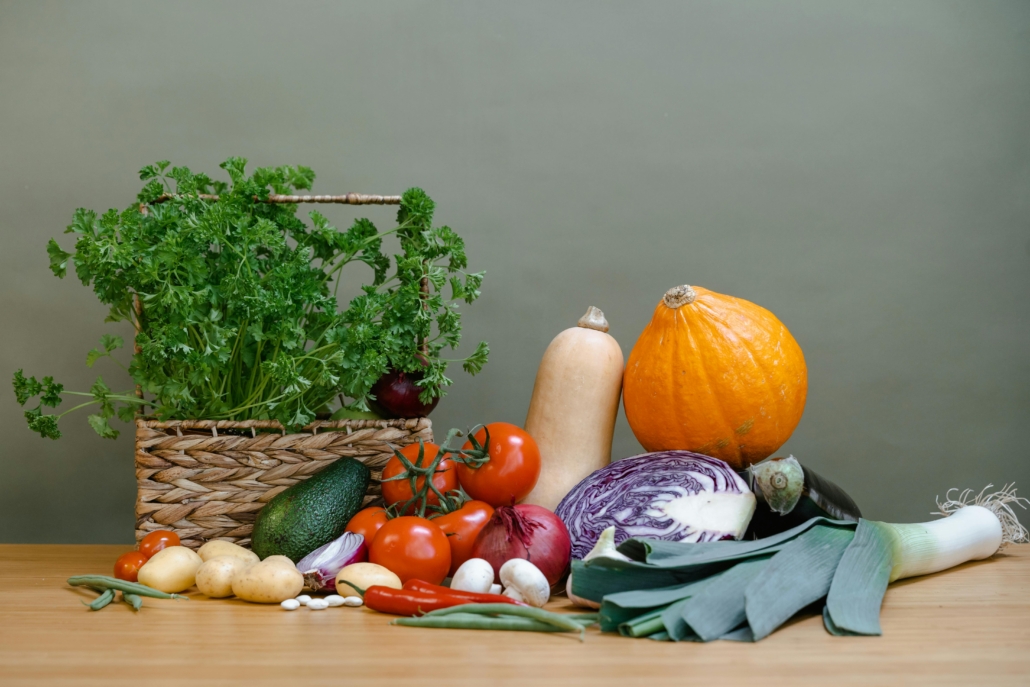
Carotenoids are a group of red, orange and yellow pigments that are very widespread in nature, of which over 700 are known, 50 of which can be absorbed by the human body, and are known for their antioxidant role. The best-known food sources of carotenoids are yellow-orange fruits and vegetables and green-leafy vegetables, which represent true treasures of these pigments. Carotenoids accumulate in our skin, and it has been shown that in certain conditions the accumulation of carotenoids is impaired. For example, the level of carotenoids in the skin is lower in people with a higher body mass index, and also in those who take certain medications (such as statins and lipase inhibitors).
Research shows that a moderate amount of fat in the diet increases the absorption of carotenoids from food, however, a high-fat diet makes it difficult for the body to utilize them. Winter and summer are seasons when carotenoid levels in the skin are low. In winter, the level naturally decreases, probably due to diet and intake of seasonal foods naturally poor in carotenoids. On the other hand, lower carotenoid levels can occur in summer due to sun exposure. A large study has shown that higher usual exposure to sunlight is associated with significantly lower levels of carotenoids in the skin, which can be explained by their "wasting" during the neutralization of free radicals that are formed after exposure to UV radiation. The lack of antioxidant compounds in the skin also means its weaker defense against harmful compounds.Intake of carotenoids in the winter months in the form of a dietary supplement replenishes carotenoid reserves in the skin, simultaneously nourishing it and preparing it for summer sunbathing.
Astaxanthin is a pigment that is naturally found in marine organisms, especially in microalgae, which are also the largest source of this pigment, as well as in salmon, crabs and flamingos, which owe the beautiful color of their feathers to the consumption of algae and crabs. When animals such as salmon or shrimp consume microalgae rich in astaxanthin, it accumulates in their tissues, providing them with color as well as strong antioxidant protection.
Lutein i zeaksantin su također pigmenti prisutni u ljudskoj koži zahvaljujući unosu hranom i tijelo ih ne može samo proizvesti. Prvi dokazi o učinkovitosti primjene luteina i zeaksantina na ljudskoj koži objavljeni su 2002. godine.
Carotenoids are present in the skin and are found in the epidermis and dermis where they contribute to the natural color of the skin. Long-term dietary intake of carotenoids can result in their accumulation in the skin, which can contribute to natural skin pigmentation.
Karotenoide, poput beta-karotena, luteina, likopena i astaksantina, preporučuje se uzimati kao dodatak prehrani za zaštitu kože i pripremu za sunce at least 4 to 6 weeks before intense sun exposure. It is ideal to continue taking during the summer months to maintain protection.
Carotenoids are fat soluble, which means that they are best consumed with a meal rich in healthy fats (olive oil, avocado, nuts). In addition to nutritional supplements, it is also recommended to eat foods rich in carotenoids, such as carrots, tomatoes, sweet potatoes, red peppers, and dark green leafy vegetables.
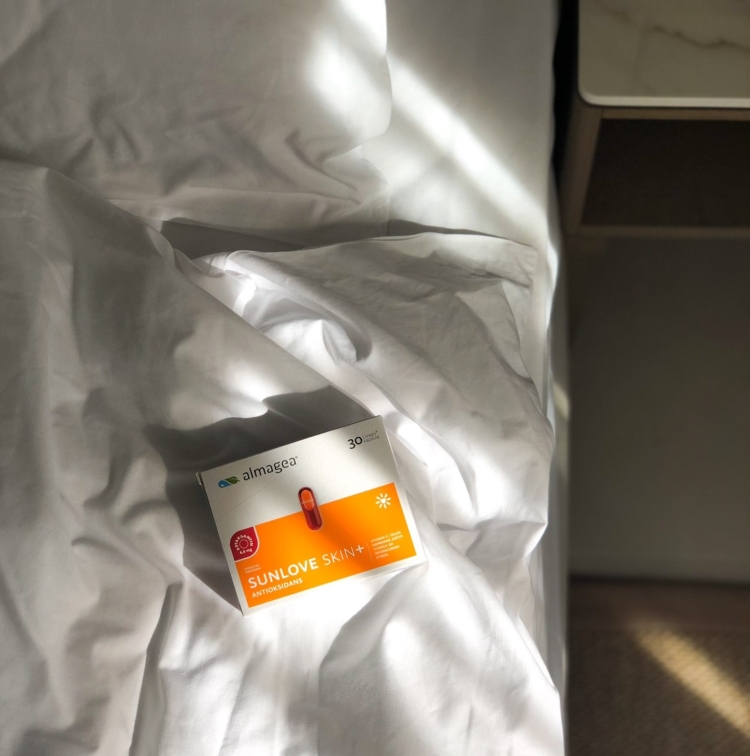
In addition to carotenoids, there are other key compounds that contribute to the beauty and health of the skin:
Coenzyme Q10 is a natural food ingredient and is also often used in functional foods and supplements for skin smoothness and health.
Selenium plays a key role in skin health thanks to its antioxidant properties and participation in DNA synthesis, cell renewal and protection against oxidative stress and UV radiation. Also, selenoproteins are essential for skin cell function and wound healing.
The main role of vitamin E in the skin is antioxidant protection, which reduces oxidative stress and slows skin aging.
Plant oils rich in the essential fatty acid GLA are particularly useful for the care of dry, sensitive, oily and acne-prone skin, as well as for mature skin. A lack of GLA in the body can cause numerous skin problems, including excessive peeling of the skin.
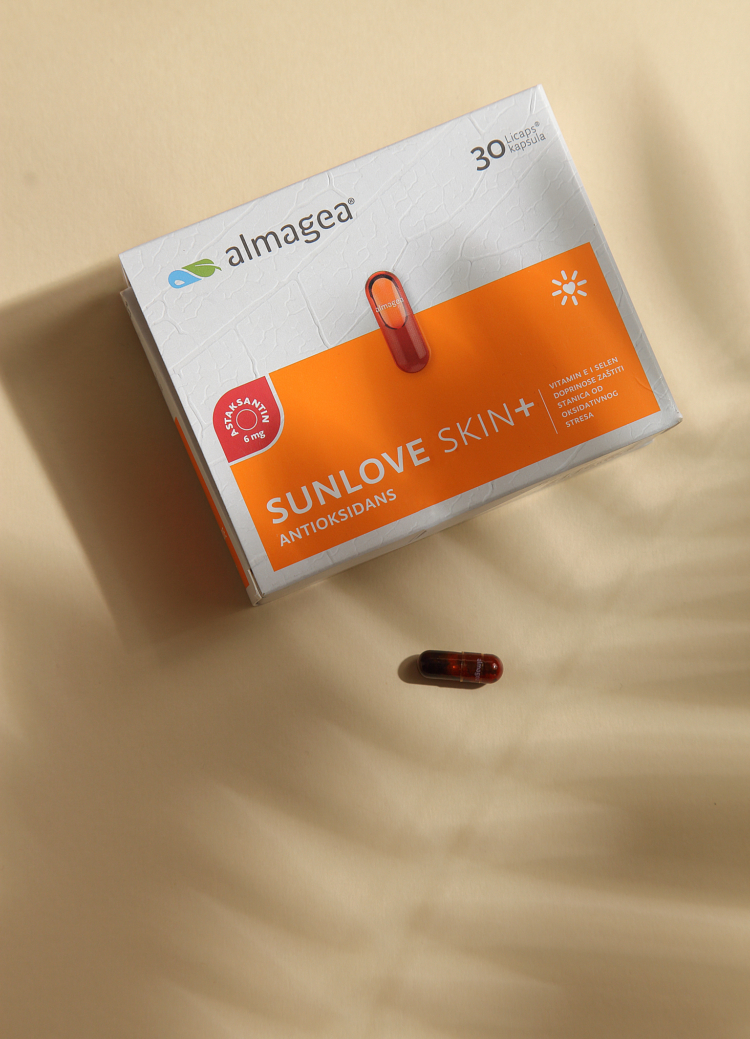
Skin care is not a seasonal concern - it is just as important in winter as it is in summer! Sunlove Skin+, thanks to antioxidants that work synergistically with high-value vegetable oils of borage and argan, preserves the health of the entire organism. Sunlove Skin+ provides targeted skin protection, helps preserve its elasticity, moisture and resistance to external influences. Provide your skin with the nutrients it needs even during the colder months!
Literature:
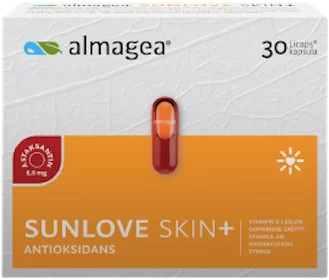
Skin care from the inside all year round and protection against oxidative stress.
23.98 €


Get to know us
Dietary supplements
Information
Let's connect
© 2024. Almagea d.o.o., Ulica Julija Knifera 4, 10 020 Zagreb
Fixed conversion rate: €1 = HRK 7.5345
kupuj brzo i sigurno 