


6 undeniable reasons why it is wise to use prenatal supplements before and during pregnancy
 LIFESTYLE
  7 MIN
7 MIN  ALMAGEA
  08.10.2025
LIFESTYLE 7 MIN ALMAGEA 08.10.2025
Znanstveni dokazi jasno pokazuju da prenatalni suplementi nisu samo “dodatak” pravilnoj prehrani već neophodan dio skrbi za majku i dijete. Moderne formulacije prenatalnih suplemenata uključuju najbolje dostupne oblike nutrijenata s optimalnom bioraspoloživošću i minimalnim nuspojavama. Započinjanje s primjenom prije začeća i kontinuiran unos tijekom trudnoće može značajno doprinijeti zdravlju majke i optimalnom razvoju djeteta.
U javnosti se ponekad javlja pogrešno uvjerenje da mladim majkama koje jedu raznoliko i zdravo nisu potrebni nikakvi dodatni suplementi. Međutim, suprotno takvim stavovima, modern science provides convincing evidence of the benefits of certain nutrients that are additionally taken in, such as vitamin D, omega-3 fatty acids and folate, on positive pregnancy outcomes. Even women who have a high-quality and balanced diet can benefit from prenatal supplements, because the need for certain vitamins and minerals increases significantly during pregnancy, and some nutrients are simply impossible to get in sufficient quantities through food alone.
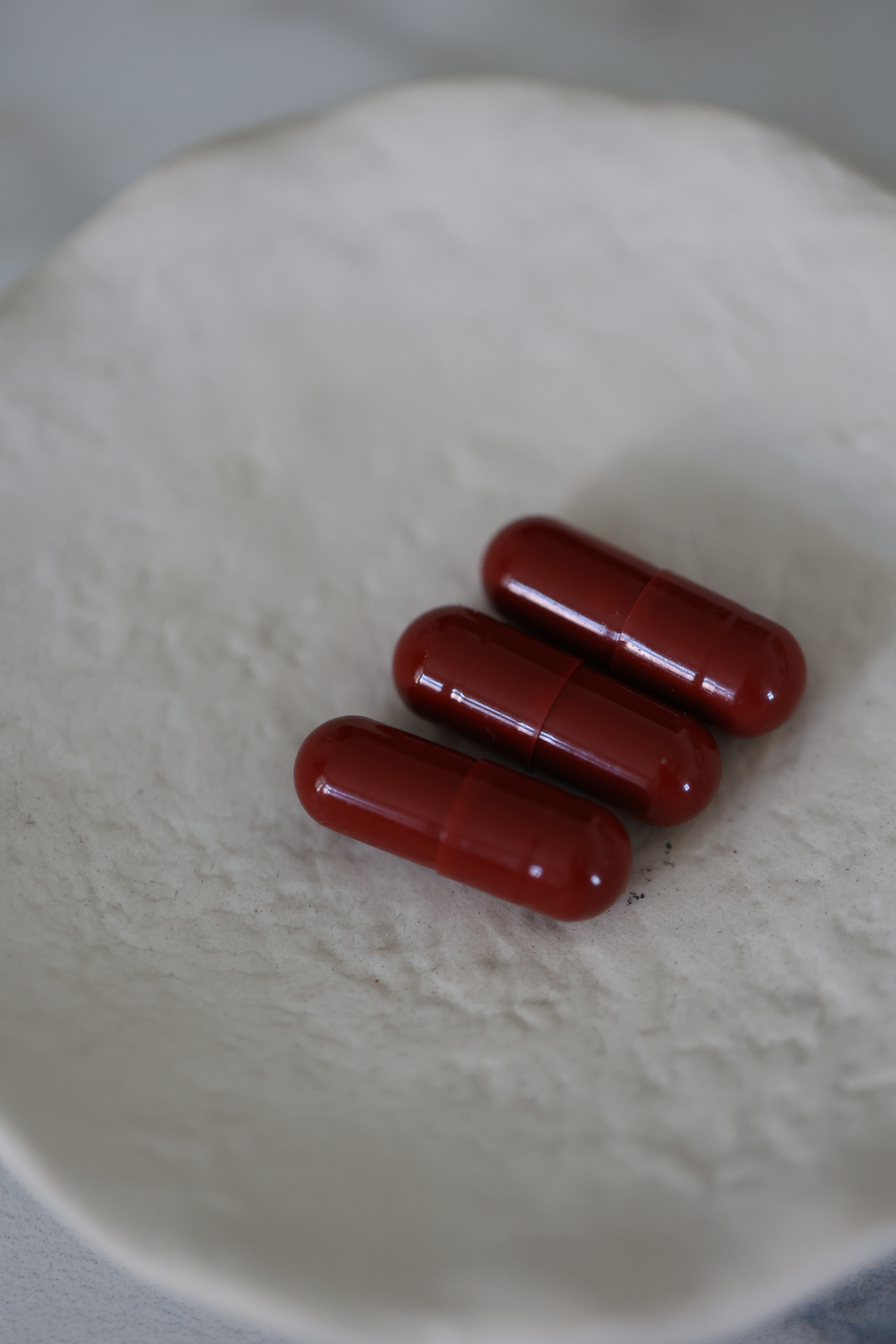
Here are six science-based reasons why it's wise to use prenatal supplements:
The need for folate increases many times during pregnancy because it is necessary for the growth and development of the child. Folate undoubtedly reduces the risk of developing neural tube defects in the child and prevents megaloblastic anemia in the mother. It also lowers the risk of premature birth and low birth weight.
In Europe, unlike North America and some South American countries, there is no strategy to enrich food with folic acid. Such strategies have significantly reduced the frequency of folate deficiency in the population in the countries where they are applied.
The advantage of modern prenatal supplements is that they contain the active form of folate, 5-methyl-tetrahydrofolate (5-MTHF), instead of the previously used synthetic folic acid. Since there is a difference in the ability to convert folic acid into bioactive forms, using the already active form ensures better utilization for all women. It is recommended to start with 400 µg of folate 12 weeks before conception and continue with 400 to 1,000 µg throughout pregnancy.
Docosahexaenoic fatty acid (DHA) is an essential component of the brain and eyes. Given that not enough fish is usually consumed during pregnancy and breastfeeding (in the population of Croatian pregnant women, only 19% consume fish twice a week), it is important to replace omega-3 fatty acids with a dietary supplement.
Proven benefits of using omega-3 fatty acids during pregnancy:
Prenatal supplements provide optimal ratios of all necessary micronutrients, thereby reducing the risk of deficiency of any important element. Vitamin B is especially important6 koji ima antiemetički učinak odnosno pažljivo dizajnirani prenatalni suplementi novije generacije imaju povišene koncentracija vitamina B6 upravo zbog njegova djelovanja protiv mučnina u trudnoći.
Modern prenatal supplements also contain optimal amounts of vitamin E, vitamin B complex, zinc, selenium and iodine, numerous nutrients whose deficiency can have serious consequences for mother and child.

Lutein and zeaxanthin are plant pigments from the group of carotenoids that are extremely important for the health of the eyes, but also for the cognitive development of the child. During pregnancy, their role becomes even more emphasized, precisely because the mother's body actively transfers them to the child. Lutein is particularly noteworthy, the dominant carotenoid in the human brain, which in the brain of infants makes up to 60% of all accumulated carotenoids.
What do scientific research say?
This is precisely why we can call lutein and zeaxanthin the nutrients of the future, they not only protect the health of the mother's eyes, but also create a foundation for optimal brain and vision development in the child.
Anemia in pregnancy is one of the most common public health problems in pregnant women. Even when a woman enters pregnancy with adequate supplies of iron, experts recommend additional intake of this mineral in low but continuous doses. The reason is simple: during pregnancy, the need for iron increases significantly, and mother's milk is not a sufficient source, so the newborn in the first nine months of life is completely dependent on the reserves that the mother created during pregnancy.
The advantage of modern prenatal formulas is that they follow the principle of long-term, stable supplementation of iron in smaller doses instead of using high doses that often cause side effects such as stomach problems and constipation. In this way, the pregnant woman maintains an optimal iron status without burdening the organism, and the baby gets everything it needs for healthy growth and development.

Vitamin D jedan je od ključnih vitamina za zdravlje žene i djeteta, a unatoč njegovoj važnosti, hranom ga je gotovo nemoguće unijeti u dovoljnim količinama. Zbog toga ne iznenađuje podatak da 20 to 40% of pregnant women have vitamin D deficiency, which can have serious consequences on the course of pregnancy and the health of the newborn.
Why is vitamin D so important?
Risks of vitamin D deficiency:
All these facts clearly confirm: vitamin D is not just a recommendation, but a necessity for every expectant mother. Its supplementation helps preserve the health of the mother, reduces risks in pregnancy and creates a solid foundation for the proper growth and development of the child.
During pregnancy and breastfeeding, your body and baby deserve only the best. That is why it is important to choose a nutritional supplement that is scientifically based, safe and formulated to meet all the specific needs of pregnant and lactating women.
A consultation with a nutritionist or gynecologist will help you get a recommendation adapted to you, but one thing is certain, the best prenatal nutritional supplements are those that contain:
Almagea® Prenatal Omega3+ ističe se kao superiorna formulacija nove generacije, jer u sebi objedinjuje sve ove nutrijente u pažljivo uravnoteženim količinama, točno onoliko koliko je potrebno za zdravlje majke i pravilan razvoj djeteta.
Osim toga, proizvodnja se odvija prema najsuvremenijim standardima čistoće i sigurnosti što jamči da each encapsulated nutrient comes in the highest quality form with optimal bioavailability.


Get to know us
Dietary supplements
Information
Let's connect
© 2024. Almagea d.o.o., Ulica Julija Knifera 4, 10 020 Zagreb
Fixed conversion rate: €1 = HRK 7.5345
kupuj brzo i sigurno 
